Recruit
Recruit pro bono attorneys across the country to bring habeas cases for children in ORR custody.

About The Project
The Children’s Due Process Project brings children’s advocates and pro bono attorneys together to challenge unlawful detention of unaccompanied immigrant children in ORR custody.
What is the Children’s Due Process Project?
The Children’s Due Process Project (CDPP) is a national habeas project organized and managed by the National Center for Youth Law, the Acacia Center for Justice, the Immigration & Human Rights Clinic at Loyola University Chicago School of Law, and The Door.
Together with legal service providers serving detained unaccompanied immigrant children in ORR custody, and pro bono attorneys across the country, we are working to challenge unlawful detention of unaccompanied immigrant children nationwide.
The project recruits and trains pro bono attorneys to bring habeas cases for children in ORR custody, and then pairs pro bono attorneys with unaccompanied children who need representation to file petitions of habeas corpus so they can be released to their loved ones.
The Children’s Due Process Project provides a growing bank of resources, sample pleadings and documents, case guides, and training for attorneys representing children in habeas proceedings against the Office of Refugee Resettlement. We host a mentorship-focused listserv to provide timely guidance and answers to case questions from project members. We also provide periodic webinar-style and office-hour-style trainings for project members and pro bono attorneys.
How the Project Works
Recruit pro bono attorneys across the country to bring habeas cases for children in ORR custody.
Provide resources, sample pleadings and documents, case guides, webinars, and office-hour-style trainings.
Pair pro bono attorneys with unaccompanied children who need representation and their advocates.
Offer timely guidance and answers to case questions through a mentorship-focused listserv and project support.
Why was the CDPP created?
Federal protections require that unaccompanied immigrant children detained by DHS must be placed in the custody of the Office of Refugee Resettlement (ORR). Once there, all children are entitled to release from custody without unnecessary delay, subject to an assessment of sponsor suitability and the need to protect the child’s safety or that of others.
For most children in ORR custody today, that is not happening. Instead, children are spending months or years held by the federal government, separated from their families who are eager to care for them.
Children as young as three are being held, separated from their parents and other family members living in the United States, month after month while ORR colludes with ICE and the immigration courts to arrest, detain, and deport as many of them and their loved ones as quickly as possible.
As we collectively work to address the many problems underlying children’s prolonged detention, we hope to leverage pro bono attorneys with experience doing federal litigation to bring habeas cases for children every child who needs one. We want and need to scale the work to help children currently suffering in federal custody get home to their families.
In partnership with unaccompanied children’s legal service providers and children’s loved ones, we can get children home while we work to stop these harmful practices.
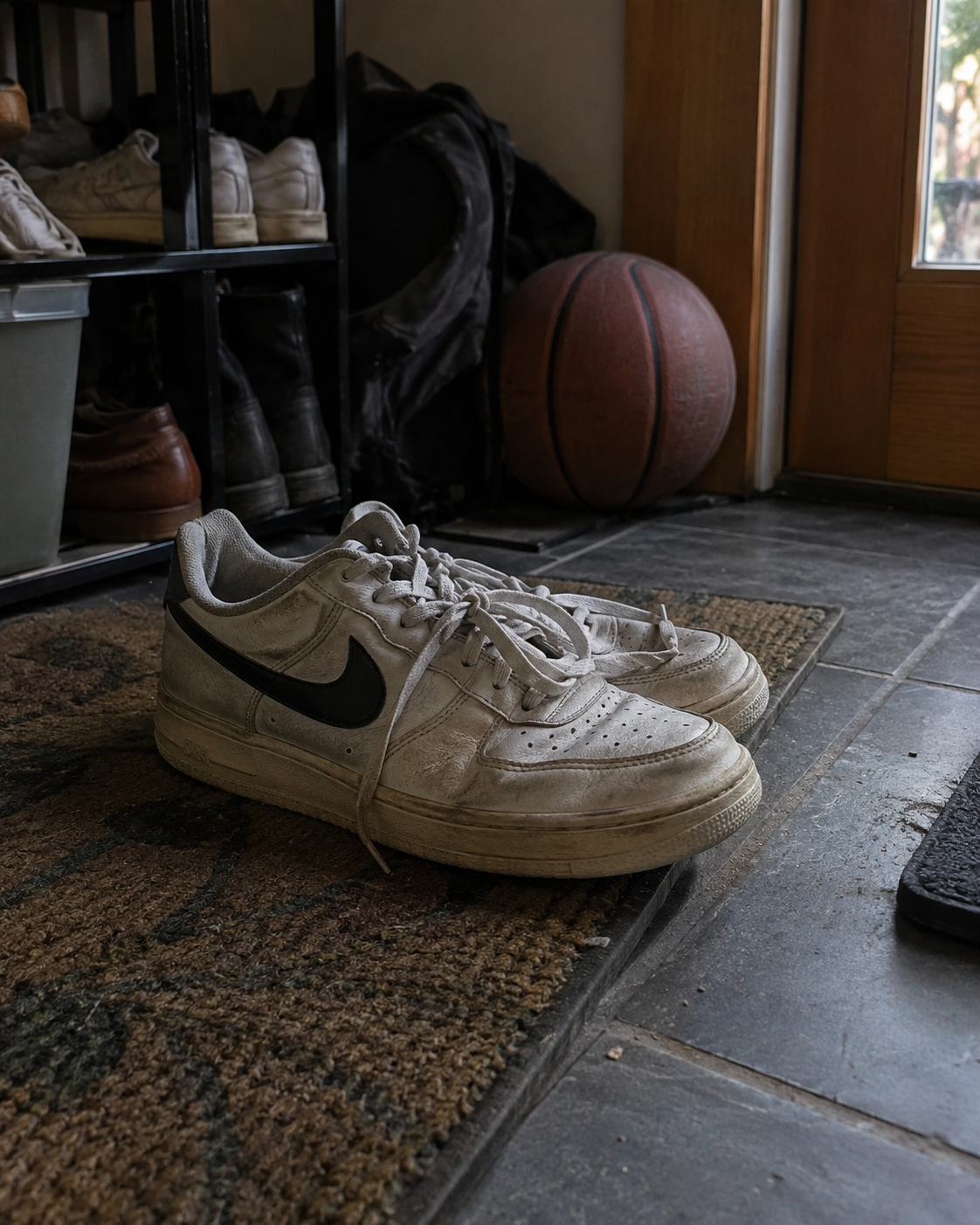
Meet a Young Person
Reunified with mom after a federal judge granted his habeas petition
Ismael* is a 15 year old boy who arrived in the United States as an unaccompanied child and was quickly sent to an ORR placement. Just days after he arrived, his family in California started the reunification process. His aunt was his sponsor, and she was eager to bring him home and care for him. But two months later, Ismael was still waiting in federal custody, even though his aunt had done everything requested of her. During that time, he became more and more hopeless and upset. He cried often, struggled in the group home where he was being held, and his mental health deteriorated.
Then Ismael’s mother became his formal sponsor. Even that did not speed up his release. He remained in federal custody while his mother, a Legal Permanent Resident, tried to complete the endless tasks placed on her by ORR. Ismael and his mother spoke every day while he was detained. March, April, and May went by and Ismael was still stuck, even though ORR had not found anything to make them think Isma’s mother was not safe or a suitable sponsor. Ismael started having headaches all the time, and he felt isolated and hopeless.
Finally, in July, he was able to file a habeas petition to ask a federal court to let him go home to his mother in California. In August, after the filing, ORR finally conducted a home study that confirmed that Ismael’s mother’s home was safe and welcoming. But still ORR refused to release him to his mother. In September, about a month after Ismael’s attorneys filed his habeas petition, but more than seven months after Ismael arrived to live with his mother, a federal judge ordered his release and he was finally able to go home.
*Pseudonym
How Can I Help?
If you or your law firm are interested in joining the project and supporting our habeas work, please complete the Pro Bono Volunteer Interest form. We will follow up to answer questions and determine the best referrals for your firm!
Pro Bono Volunteer Interest FormIf you are a legal service provider or advocate working directly with a child or a child’s sponsor, contact us at CDPP@acaciajustice.org to learn more about referral, mentorship, and joining the project!
Contact the Project ManagersIf you want to help in a different way, consider donating to support the project and sharing with your networks.
Donate to the CDPPProject Managers

National Center for Youth Law

Acacia Center for Justice

Immigration & Human Rights Clinic at Loyola University Chicago School of Law
The Door